
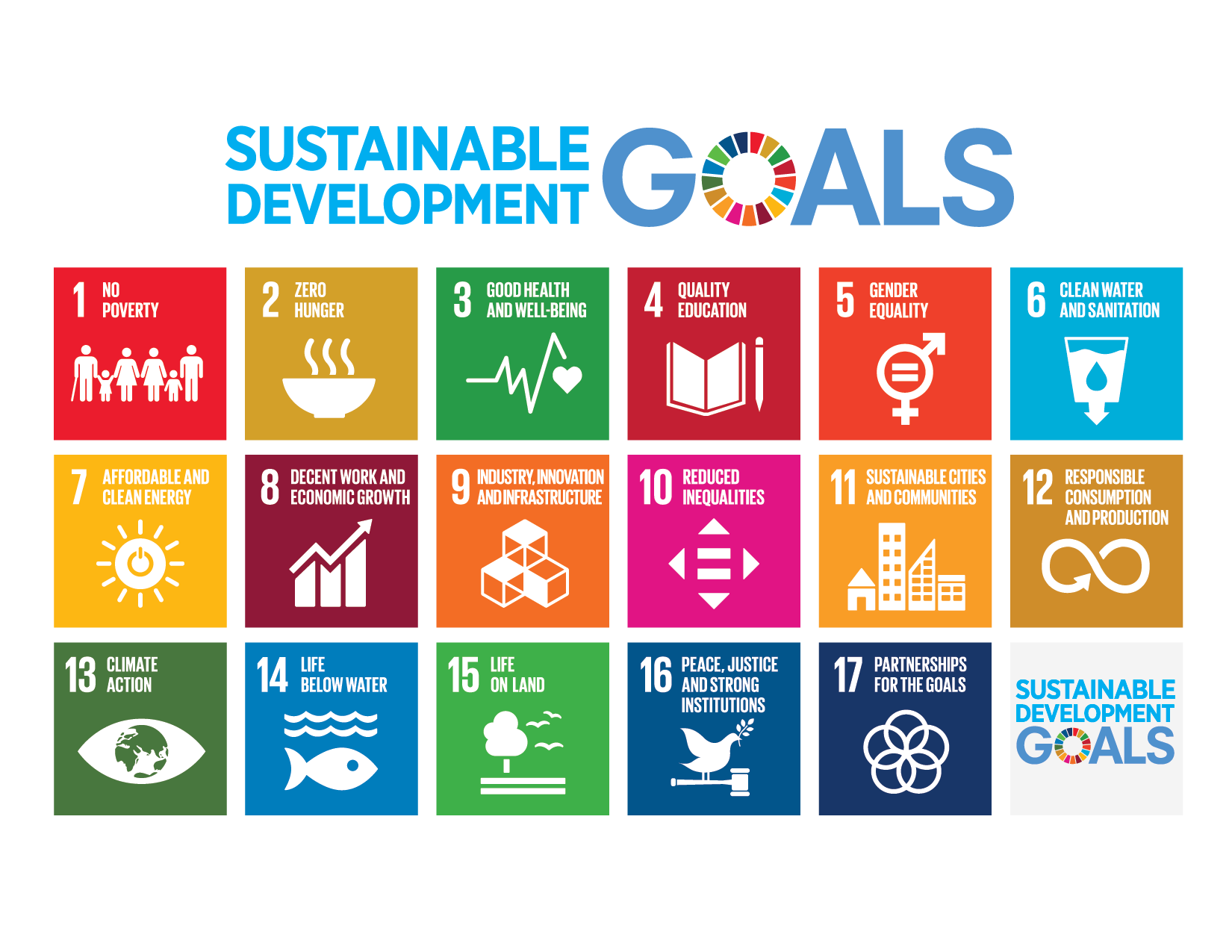
How does adult education relate to the Sustainable Development Goals? In many ways, new EAEA background paper discovers.
28.09.2018

New EAEA background paper on adult education and sustainability

Adult education contributes to and promotes many of the Sustainable Development Goals. New EAEA background paper takes a closer look at the interlinkages between adult education and sustainability.

Adult education, especially non-formal adult education, contributes to the individual as well as collective development of societies in many ways. Besides providing skills and competences, adult education contributes to social inclusion and the acquisition of life skills. The EAEA background paper “Adult Education and Sustainability” focuses on the Sustainable Development Goals (SDGs) and shares the linkages between then and adult education.

The paper examines how adult education contributes to the SDGs as well as reflects on the challenges faced by non-formal adult education and the measures needed to go from theory to concrete actions.

Read the backround paper Adult Education and Sustainability and see also our previous statements.

Text: EAEAPhotos: United Nations

09.06.2026 Democracy

EAEA Grundtvig Award highlights volunteering and citizens’ assemblies as drivers of resilience and community-building

MEDIA RELEASE. EAEA has awarded adult education projects in its 23rd annual Grundtvig Awards. This year’s award celebrated Resilience and Community-Building in adult education.

04.06.2026 key competences

Competence development and community-building through sports 

The links between sports and learning appear to positively impact personal, emotional, and social habits. While these benefits for physical and mental well-being are acknowledged, reports indicate a lack of participation from EU citizens in sports and physical activities.

22.05.2026 skills

Farmers are ready to adapt to the twin transition — but training systems must be adjusted too

Europe’s farmers are often portrayed as resistant to change. Yet across the continent, farmers are already navigating climate pressures, sustainability requirements, rising costs, labour shortages and rapid technological change. The challenge may not be a lack of willingness to learn, but whether education and training systems are designed for the realities of agricultural life.